

Education that can change lives
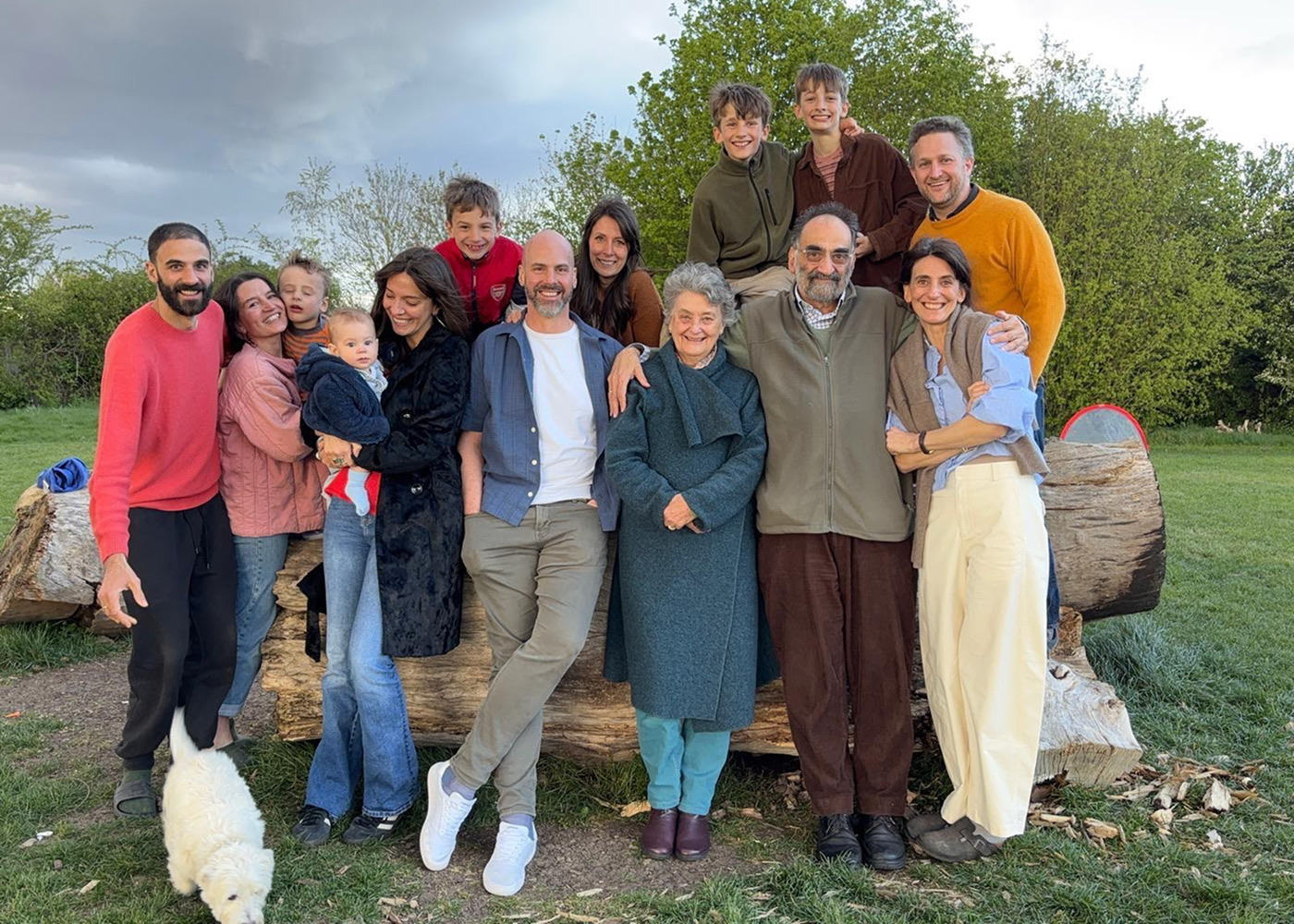
The Montessori values
Montessori speaks to us of values that are part of our human heritage—values that are not determined by a societal or a legal framework, but spring from nature itself. She tells us that we are born with a love for our fellow human beings, with natural kindness, goodness, and compassion. She believed that freedom, self-discipline and responsibility are all innate in human beings. That gratitude and respect are expressed spontaneously when a person grows up in an environment that fosters development and encourages creativity.
This is exactly what we observe every day in our preschools and schools: children expressing emotions that we rarely associate with childhood, because we often view children as young and immature. And yet, we see children who demonstrate kindness, responsibility, and deep sense of social sensitivity, as well as a willingness to cooperate and obey – qualities that surprise us and, at the same time, move us.
As Montessori educators, we strive, at every level of education, to offer children the opportunity to experience, on a daily basis and in a natural and effortless way, the values that give meaning to human life. Only then do these values take deep root within the children and become an authentic and integral part of their personality. And it is thanks to the children that hope for a better tomorrow takes root within us— hope for a better life, imbued with beauty and a more peaceful soul.
Training Levels:
Training in the Montessori approach varies according to the child’s age.

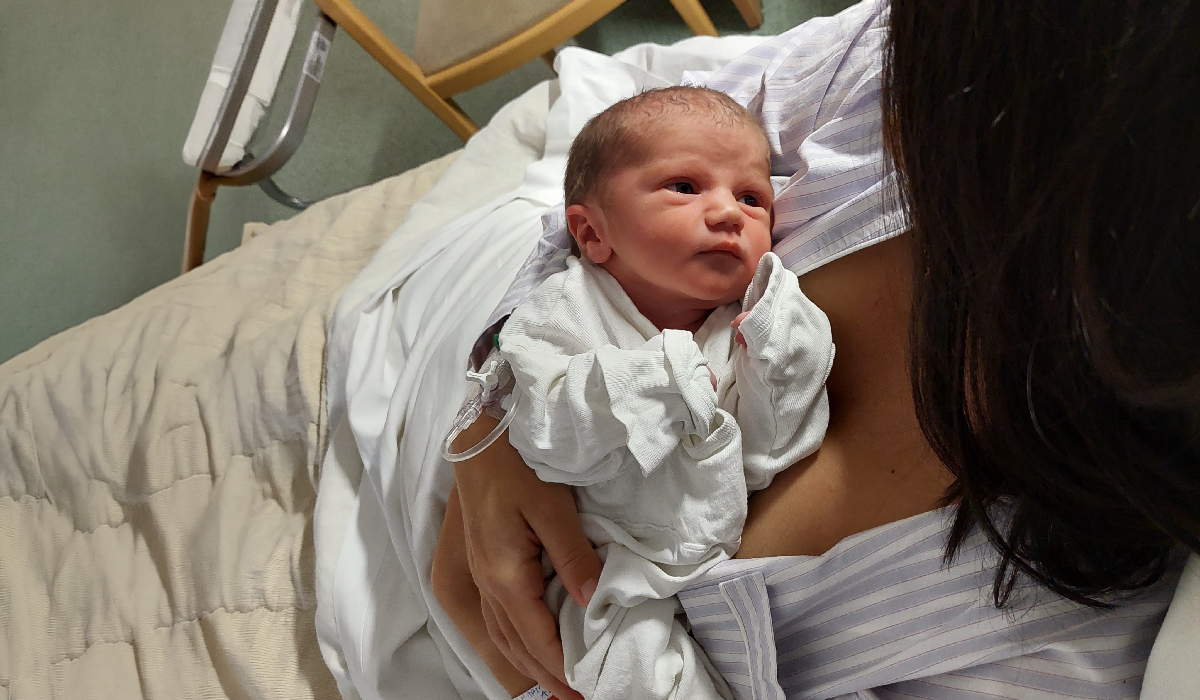
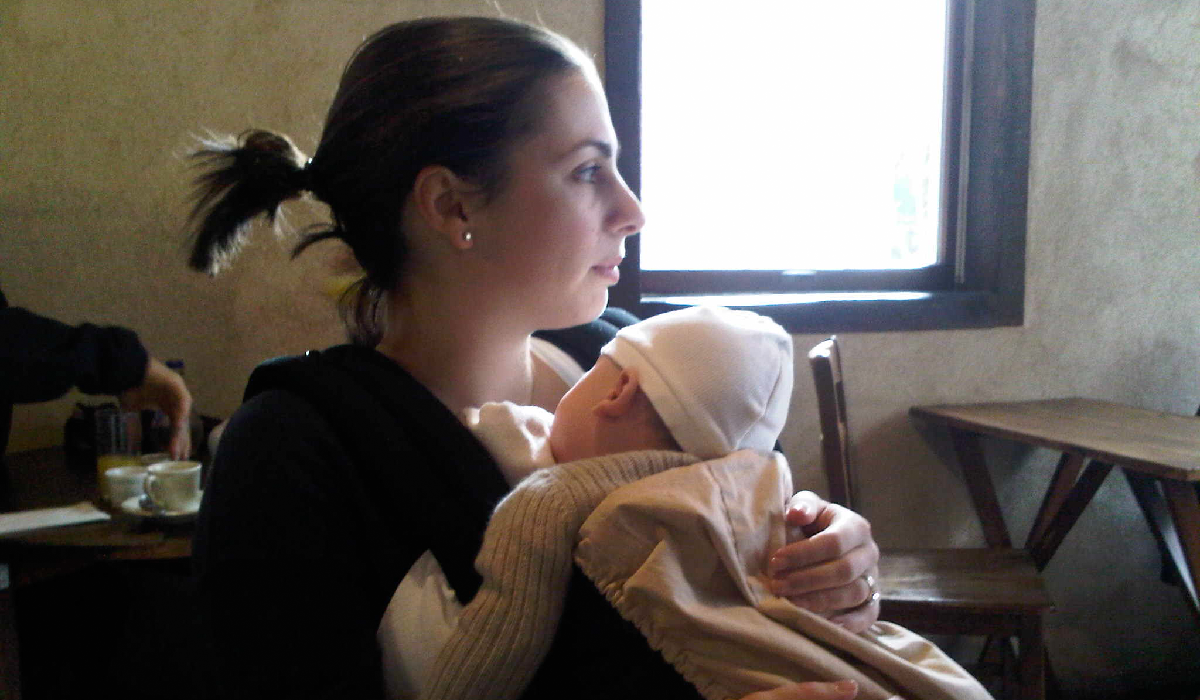
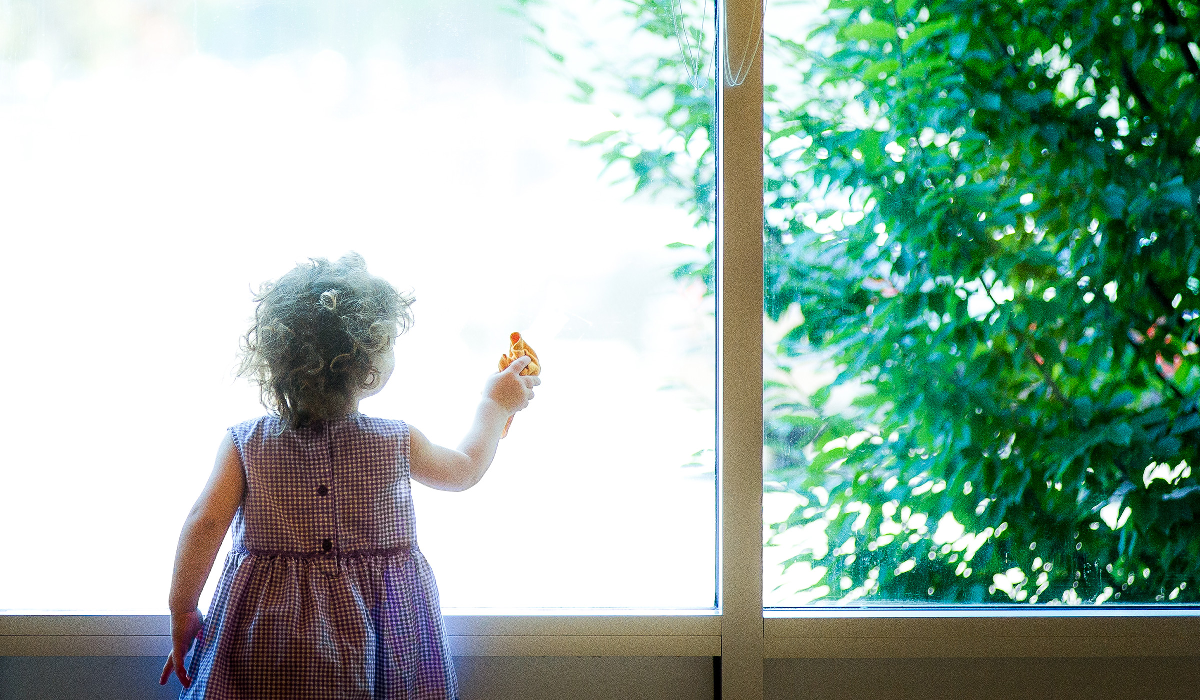
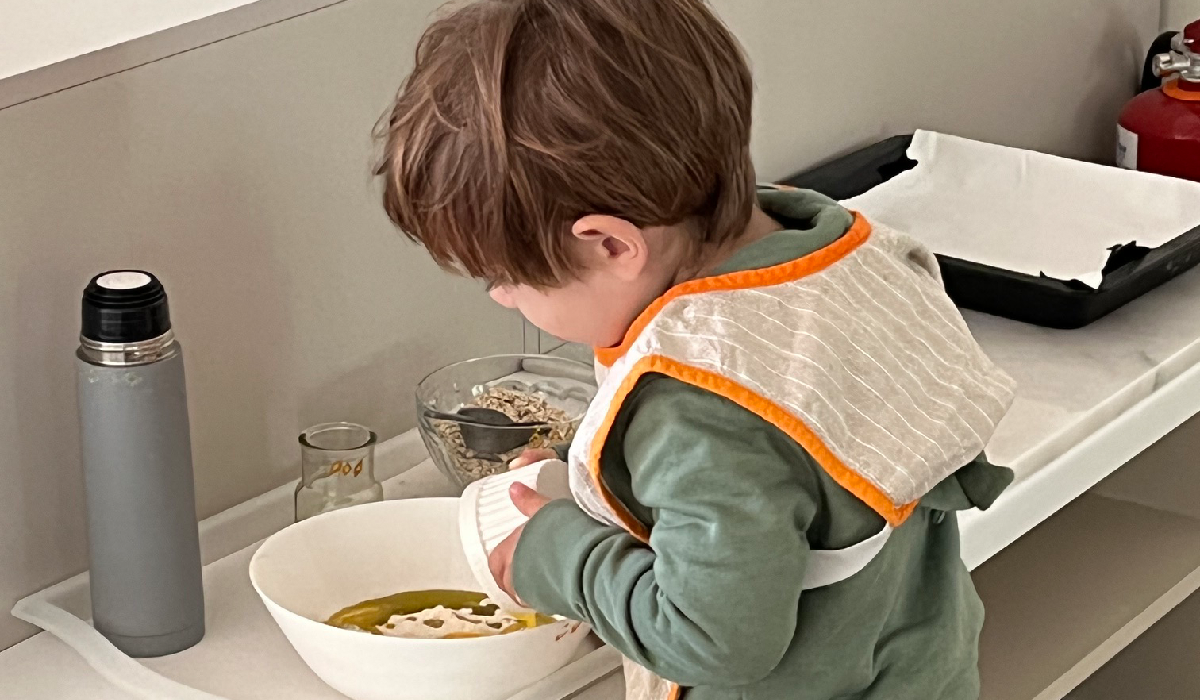
Montessori educators for children aged 0–3 are called “”Assistants to Infancy”. Assistants to Infancy are trained to support and assist the mother in preparing her home environment before the child’s birth, to be present during childbirth and to support the mother-child bond during the first critical months. Assistants to Infancy are also prepared to prepare the appropriate environments for children, when they later begin to crawl and explore their world anew (The Nest/Il Nido), and for the children who later still, begin to walk, talk and develop skills that allow them to contribute to and participate in an expanded community (Infant Community).
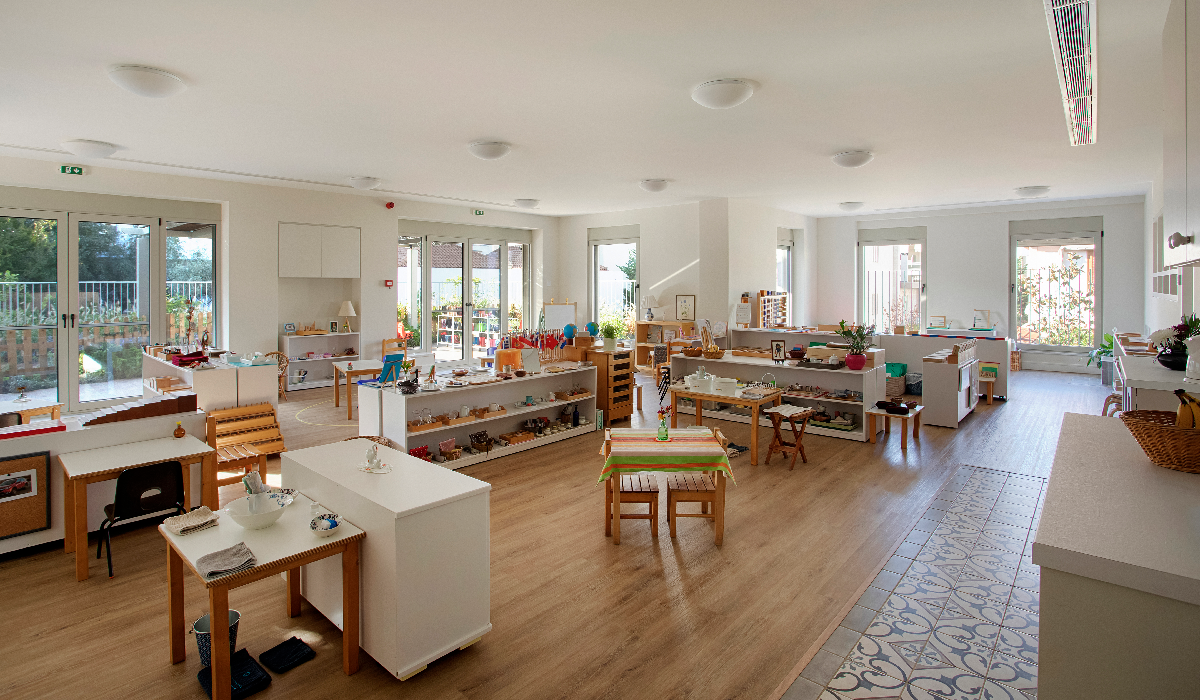

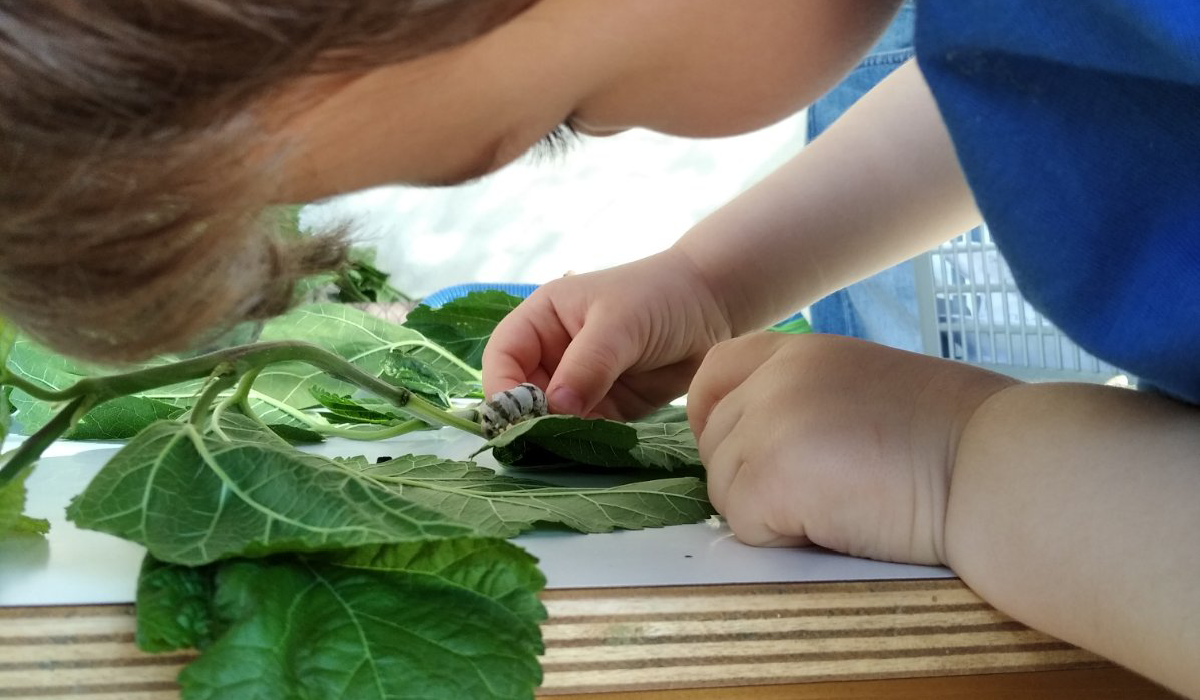
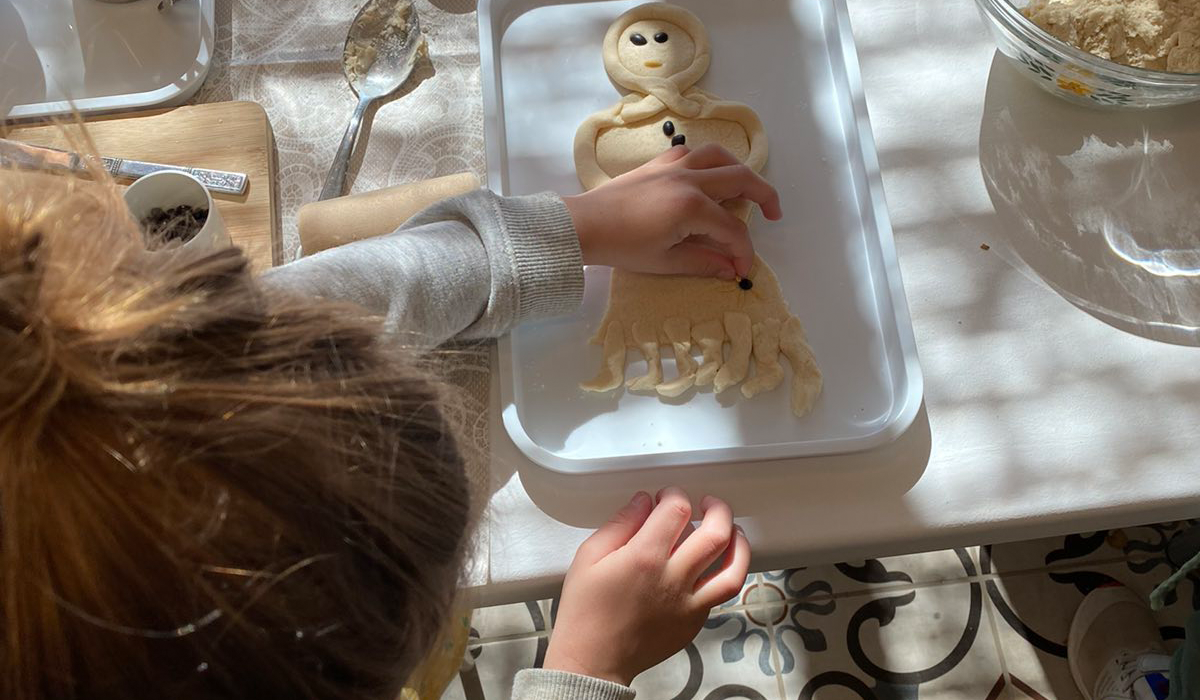
Montessori educators for children ages 3–6 are trained to understand the characteristics of children in this age group and to support their developmental needs by creating appropriate environments for both the home and the preschool (Children’s House/Casa dei Bambini). They are introduced to Montessori pedagogical material (Sensorial, Language, Mathematics and Culture – subjects such as geography, botany, zoology, art, music, etc.), using materials designed to engage the child’s senses. They also learn how the materials used in Practical Life activities help children make choices, reach decisions and solve problems, so that they can function independently and contribute with confidence to their community.
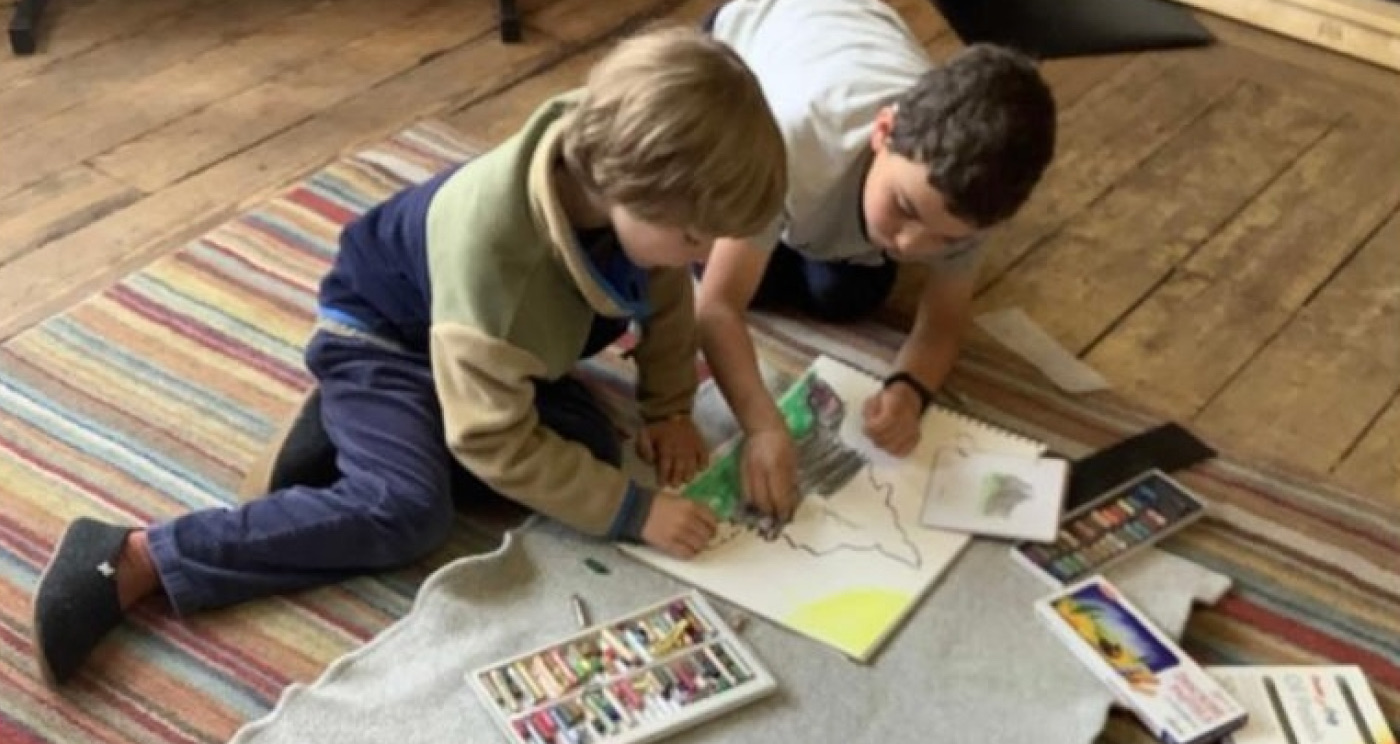
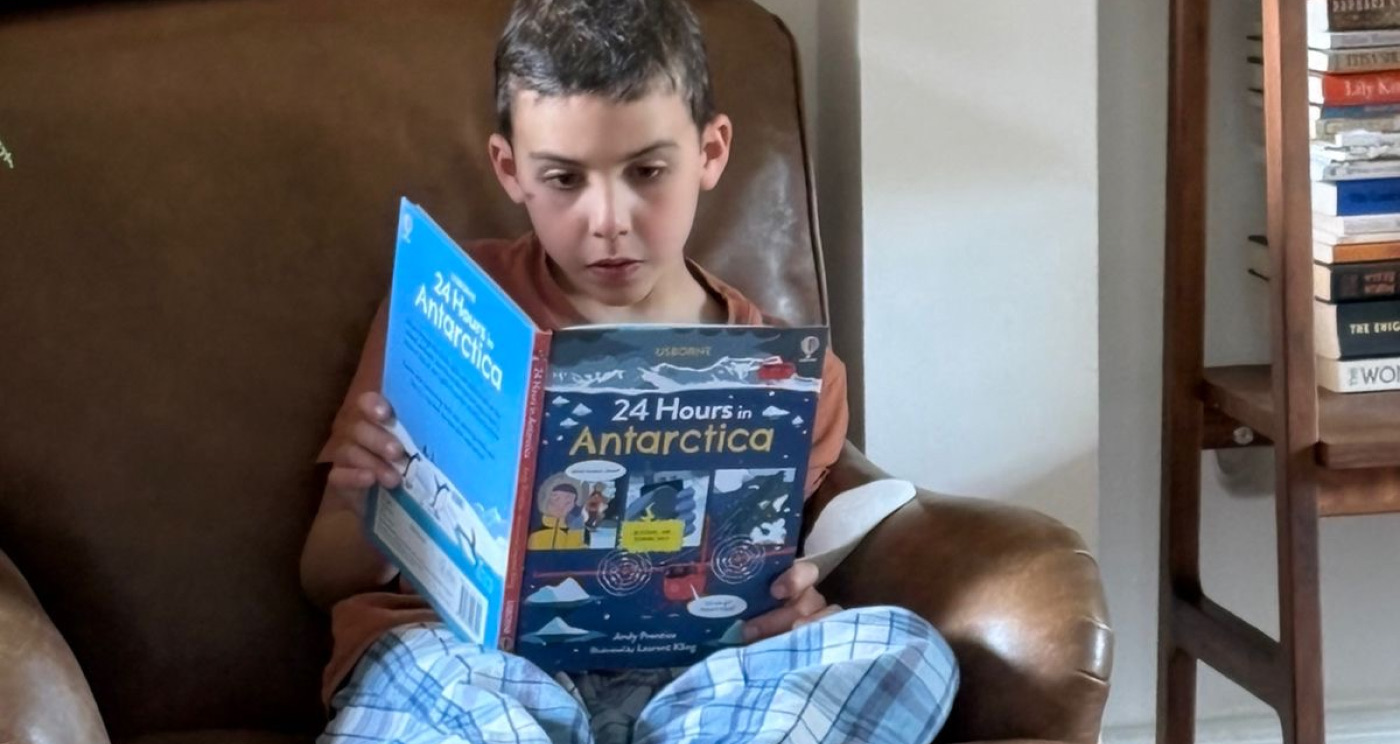
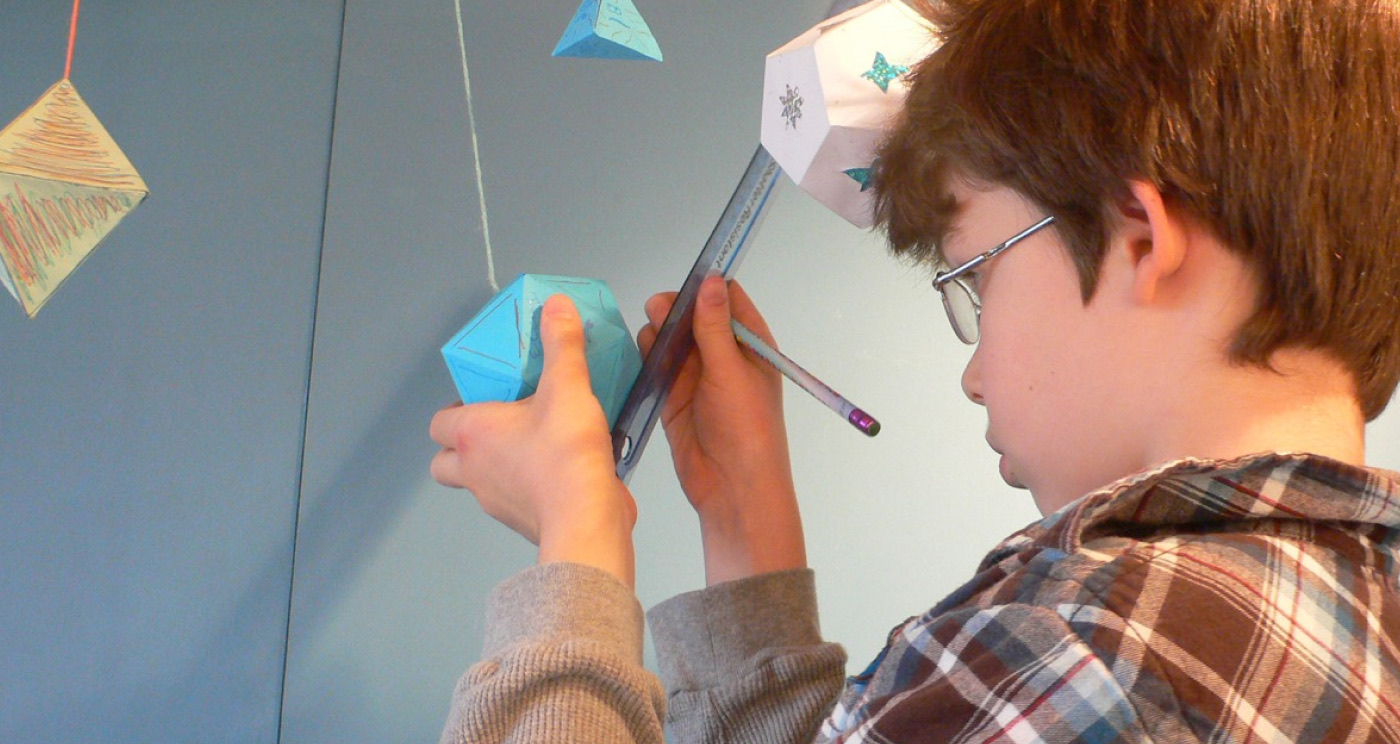
Montessori Educators for children ages 6–12, are prepared in such a way, so as to be able to respond to the social sensitivities and the intellect of children at this second stage of development. The adults are trained to introduce children to their culture by appealing to their imagination and their ability to think logically —abilities which are now developed. Children of this age, are eager to learn about their universe; they become increasingly independent learners, and are able to explore every facet of the world around them working together, in small groups. The adult’s role is to awaken and inspire the children’s interest, guiding them toward books and other resources, so that they may find the information they seek on their own, and then share what they have discovered with the larger group. This special education is called Cosmic Education.
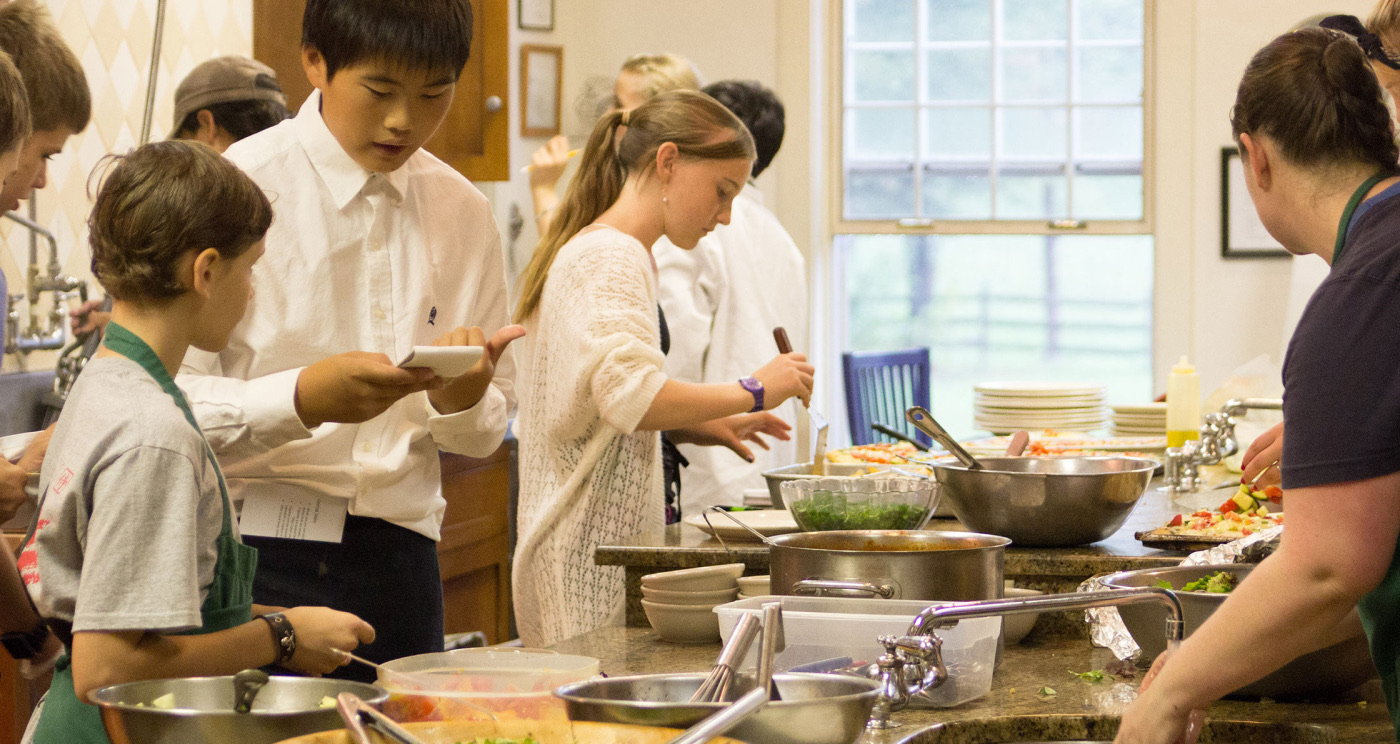
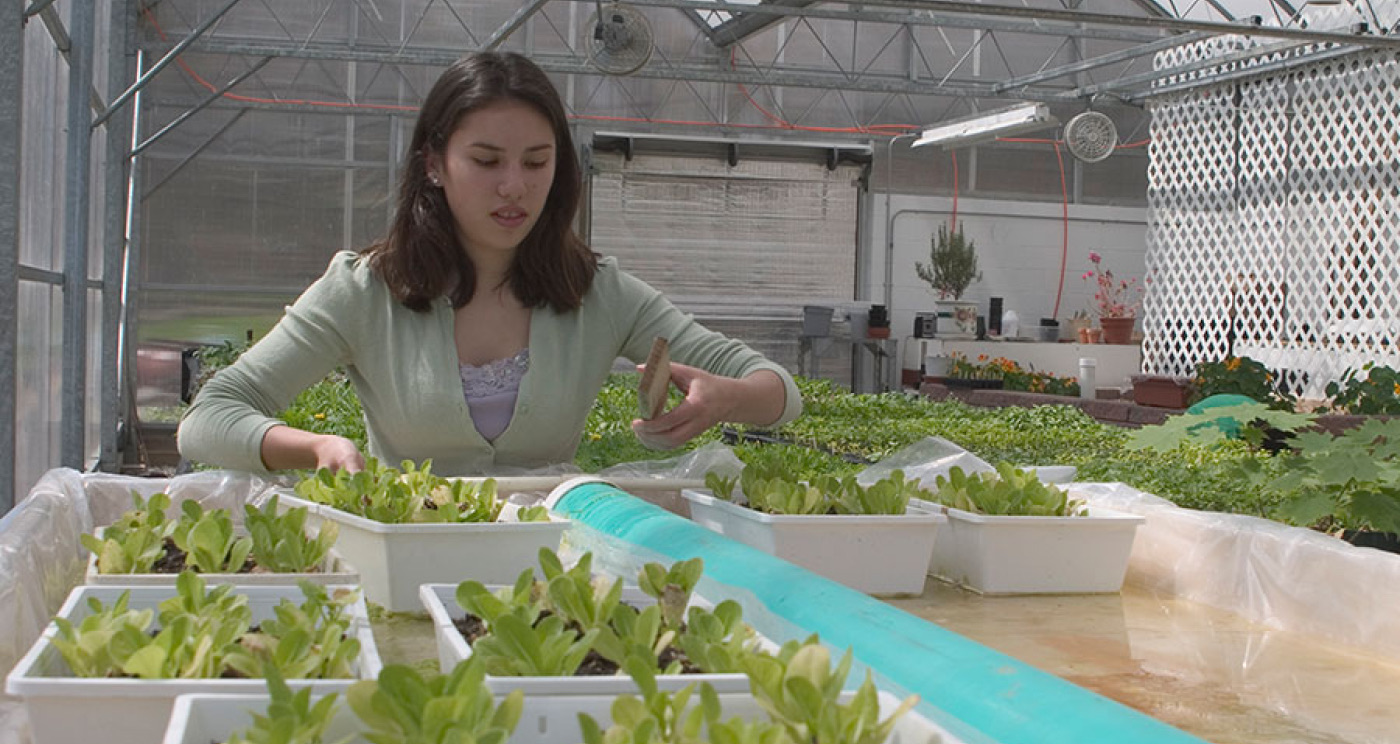
Montessori Educators for children ages 12–18 are different from all the above. They are traditional instructors, each specialising in a particular field, and they undergo a short period of training, in order to become familiar with them with the particular characteristics and needs of adolescents so that they may adapt the subject matter to respond to the way an adolescent learns – effortlessly and joyfully. The teachers work together with the adolescents on specific projects which yield tangible results. The prepared environment for adolescents—ideally located in nature—fosters their growing independence as they take on responsibilities that prepare them to meet life’s challenges within the society into which they are gradually integrating. Montessori called these children “Erdkinder”—Children of the Earth, because she saw that it was through their contact with Nature, that the adolescents could reveal their hidden treasures!
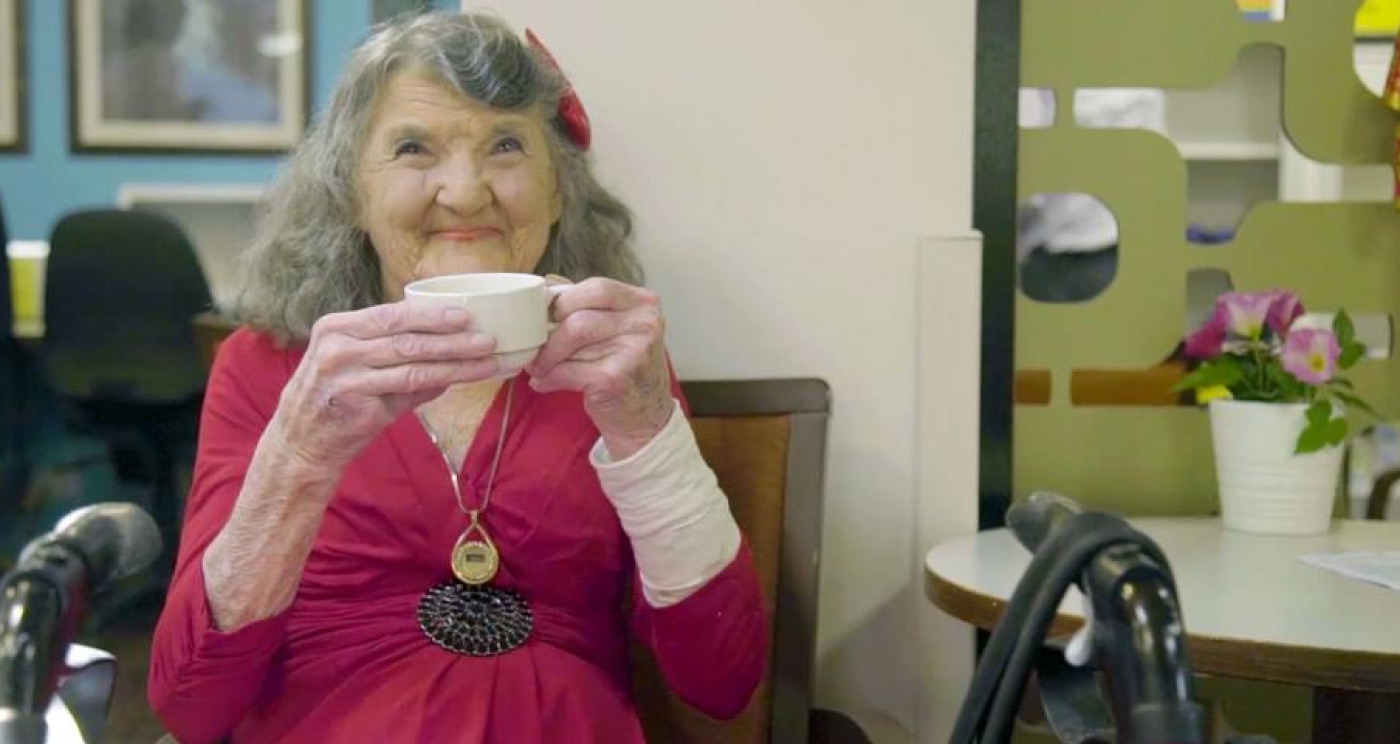
The Montessori approach to Dementia, Disability, and Aging:
“Dementia can create feelings of worthlessness and unhappiness, and the way nursing homes operate often dramatically reduces the independence and dignity of the elderly. The Montessori approach can dramatically improve their overall situation and give them back the ability to do things for themselves, so that others don’t have to do everything for them… Let’s give them back their dignity and independence.”
Αnne Κelly, Head of MDDA Sub-Committee,
Association Montessori Internationale